FRONTERAS Collective
Transdisciplinary research for just climate & environmental futures
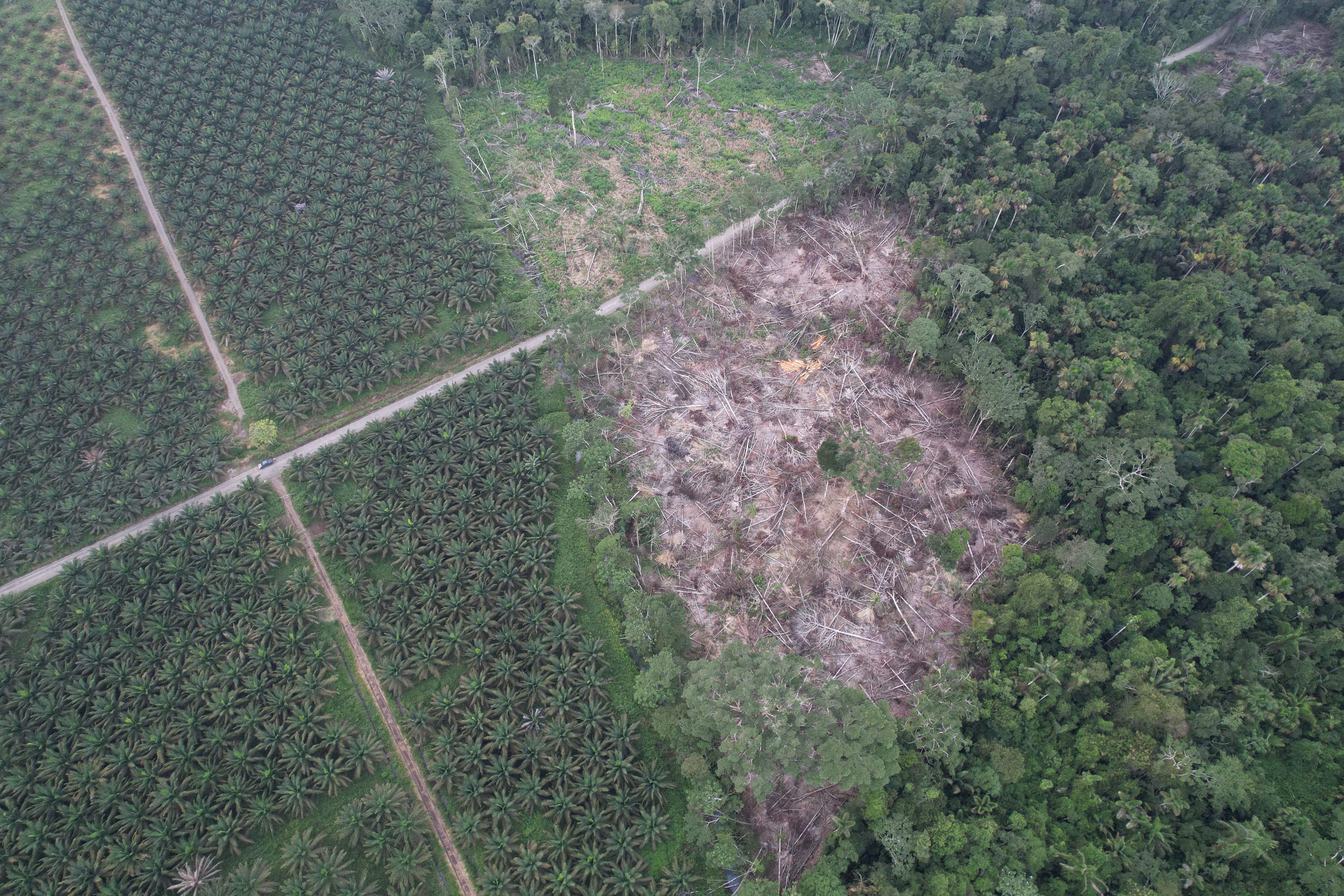
The FRONTERAS Collective at Colorado State University conducts transdisciplinary research on extractivism, Indigenous rights, and forest frontiers across the Américas.
The FRONTERAS Collective is comprised of a diverse interdisciplinary group of scholars and practitioners committed to critical, transdisciplinary research rooted in thinking across epistemologies, leveraging creative methodologies, and working closely with partners in the places where we conduct our work.
Learn more about the people who make up the collective!
Joel E. Correia is the principal investigator and director of the FRONTERAS Collective. He is a critical human-environment geographer with 20+ years of applied research and collaboration experience across the Américas. Correia works at the intersection of political ecology and development geographies to advance transformative research on social-ecological challenges of climate change adaptation, social inequality, and conservation in the Gran Chaco and Amazon forests.
Research
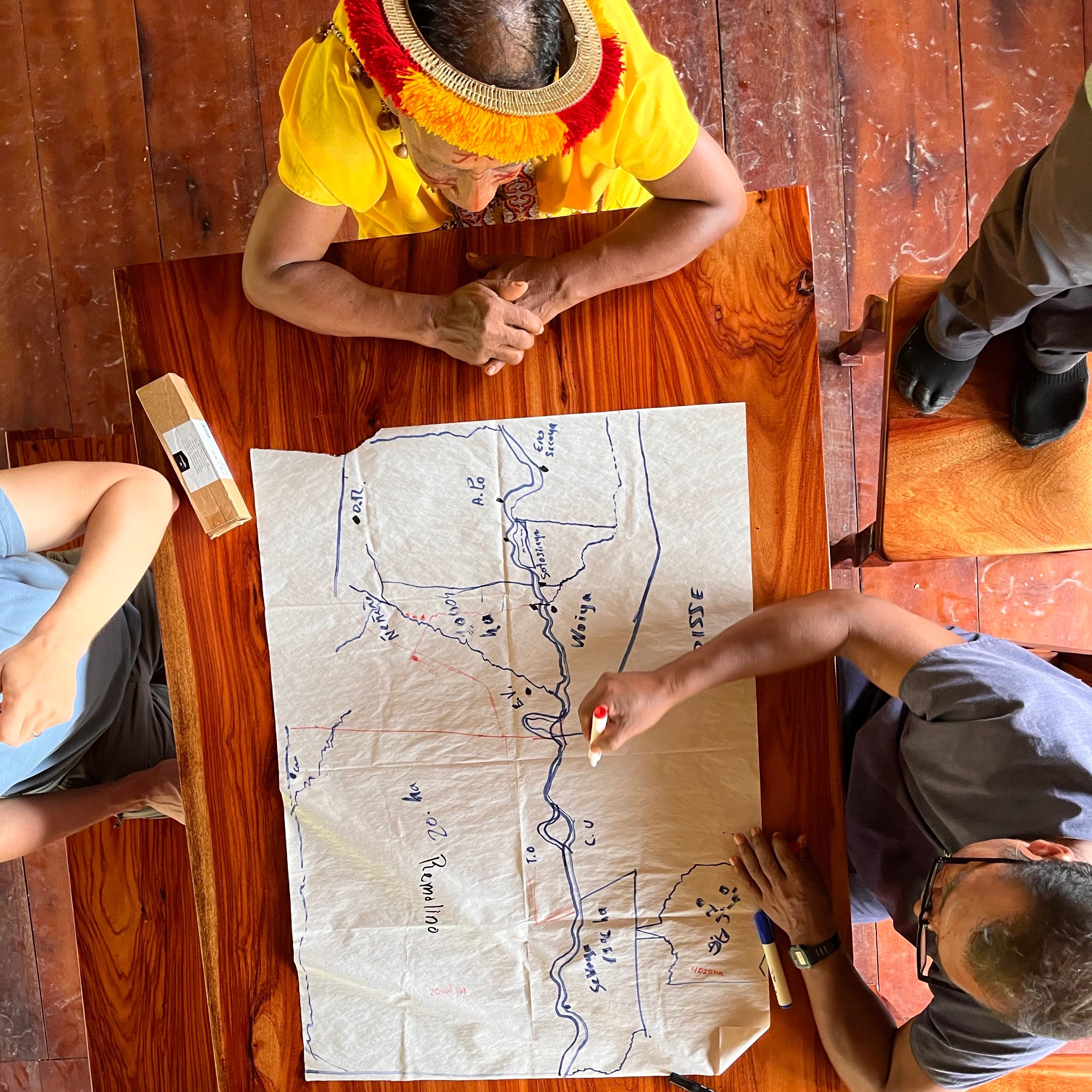
Our collective works to identify pathways toward more just social-ecological futures — futures defined not by extraction and dispossession but by territorial care, reciprocity, and self-determination. Our work is rooted in political ecology, critical development studies, and conservation social science approaches, but it refuses to stay within disciplinary lines. We mobilize diverse methods from, ethnography, legal analysis, ecological assessment, geospatial analysis, visual media, and participatory methods to co-produce knowledge alongside Indigenous peoples, Afro-descendant communities, human rights advocates, and scientists working on the front lines of social-ecological change.

Climate & Environmental Justice: Adaptation, loss & damage
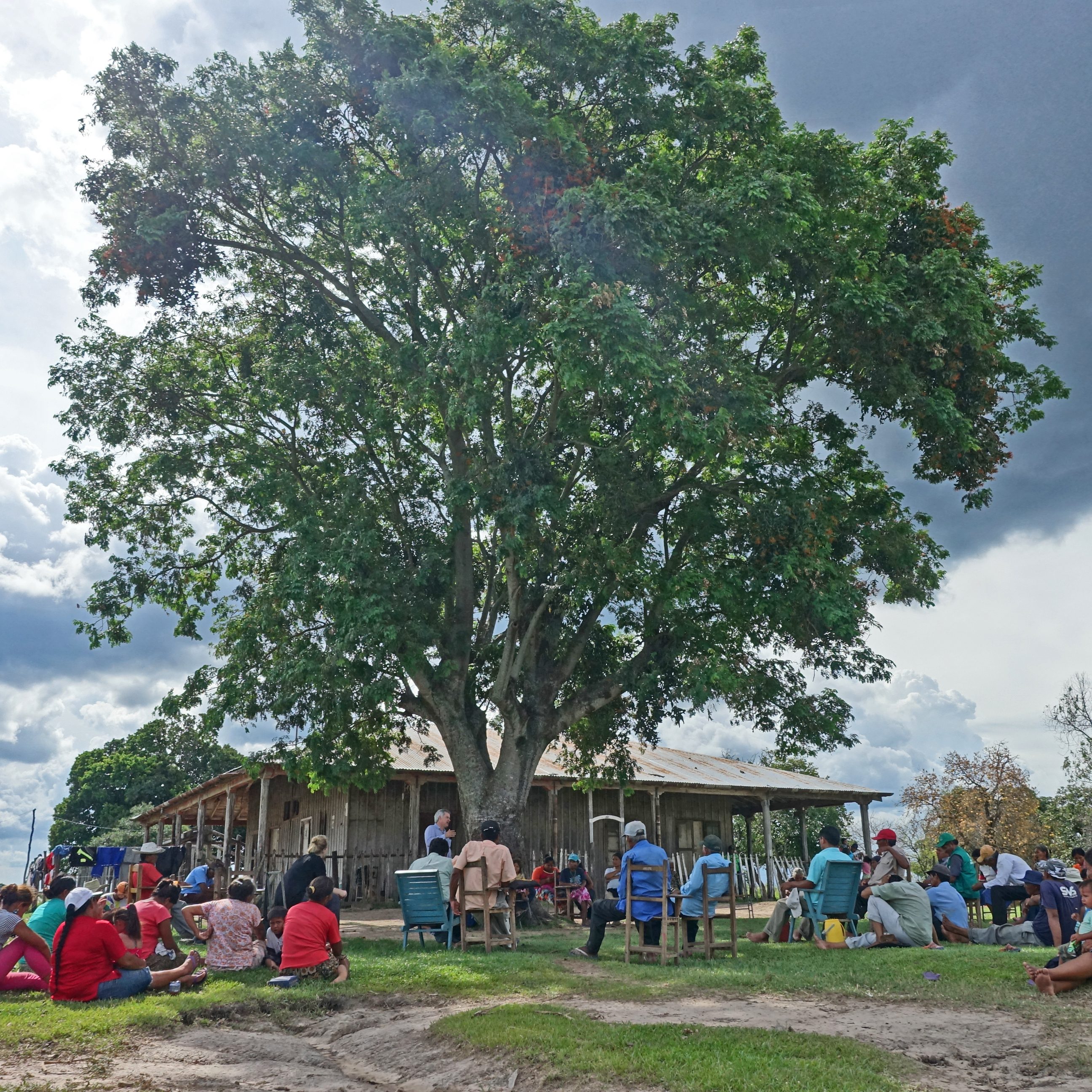
Indigenous rights to land & territory: Dispossession, resistance & resurgence

Political ecologies of development:
Natures, extractivism, power, & access
Biocultural conservation:
Stewardship, reciprocity & self-determination