The FRONTERAS Collective investigates how climate change, extractive development, and infrastructure expansion reshape forest frontiers and the communities that live with them across the Américas.
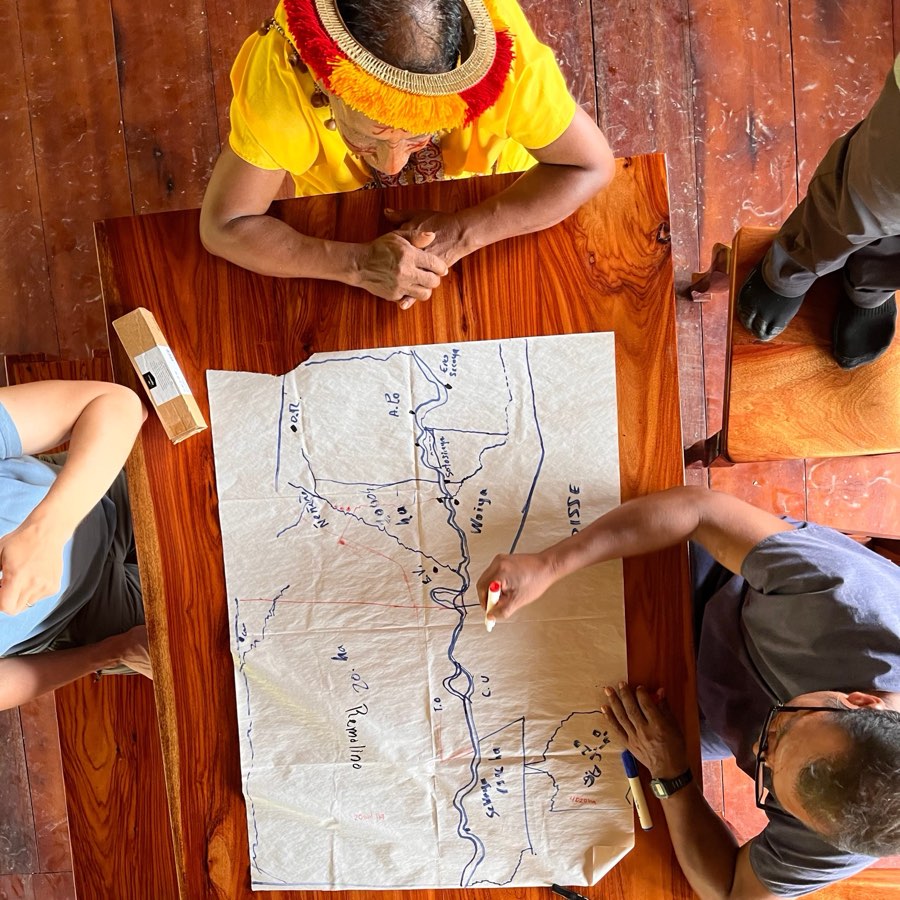
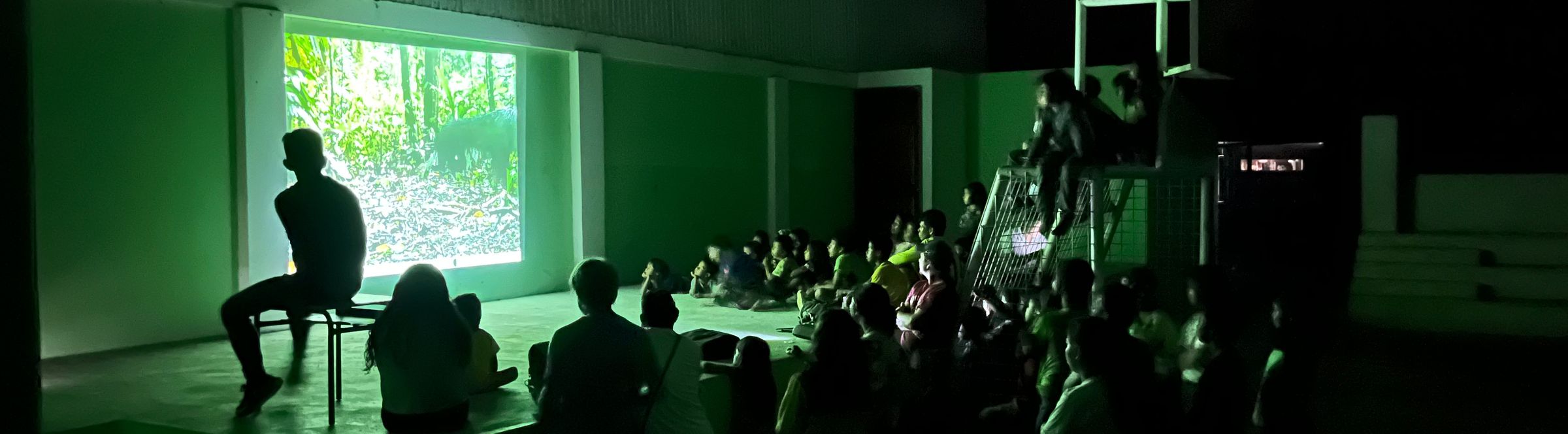
Our collective works to identify pathways toward more just social-ecological futures — futures defined not by extraction and dispossession but by territorial care, reciprocity, and self-determination. Our work is rooted in political ecology, critical development studies, and conservation social science approaches, but it refuses to stay within disciplinary lines. We mobilize diverse methods from, ethnography, legal analysis, ecological assessment, visual media, and participatory methods to co-produce knowledge alongside Indigenous peoples, Afro-descendant communities, human rights advocates, and scientists working on the front lines of environmental change.
Research Focal Areas
Four interconnected research areas guide our work. Each asks different questions but shares a common commitment: to understand how power, ecology, and justice intersect in the places where they matter most. Cutting across all of them is a dedication to transdisciplinarity, working not just between academic disciplines but across knowledge systems by forging research partnerships that center the expertise of those closest to the processes we study.

1. Climate & Environmental Justice
Climate change is geographically differentiated. The greatest impacts are often borne by communities that have contributed least to its causes: Indigenous peoples, smallholder farmers, Afro-descendant communities, and others living on the front lines of environmental transformation.
Our work examines how climate impacts intersect with historical patterns of dispossession, structural inequality, and environmental racism to produce new forms of vulnerability across Latin America’s forest frontiers. We investigate not only loss and damage due to changing climate but diverse (mal)adaptation pathways and who gets to shape climate policy and imagine what a just climate future looks like.
2. Indigenous Rights to Land & Territory
The last three decades have witnessed an unprecedented expansion of Indigenous territorial rights across Latin America with over 200 million hectares returned through land restitution, constitutional reforms, and international human rights law. The gap between legal recognition and lived reality remains vast.
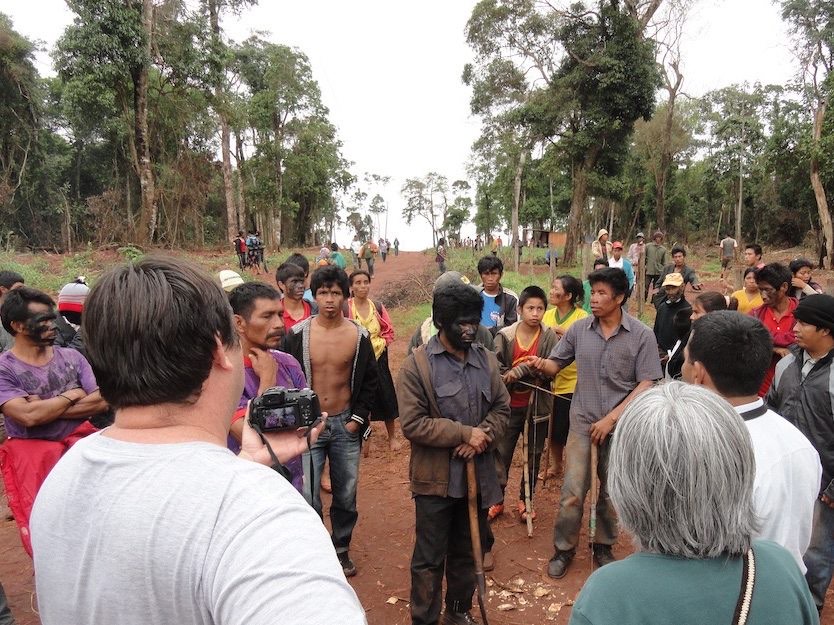
Our work investigates this gap. We examine how Indigenous rights operate not as settled achievements but as ongoing sites of political struggle: how Inter-American Court of Human Rights decisions are implemented (or obstructed) on the ground, how land restitution translates (or fails to translate) into meaningful self-determination, and how Indigenous communities navigate the contradictions of rights frameworks shaped by coloniality.


3. Political Ecologies of Development
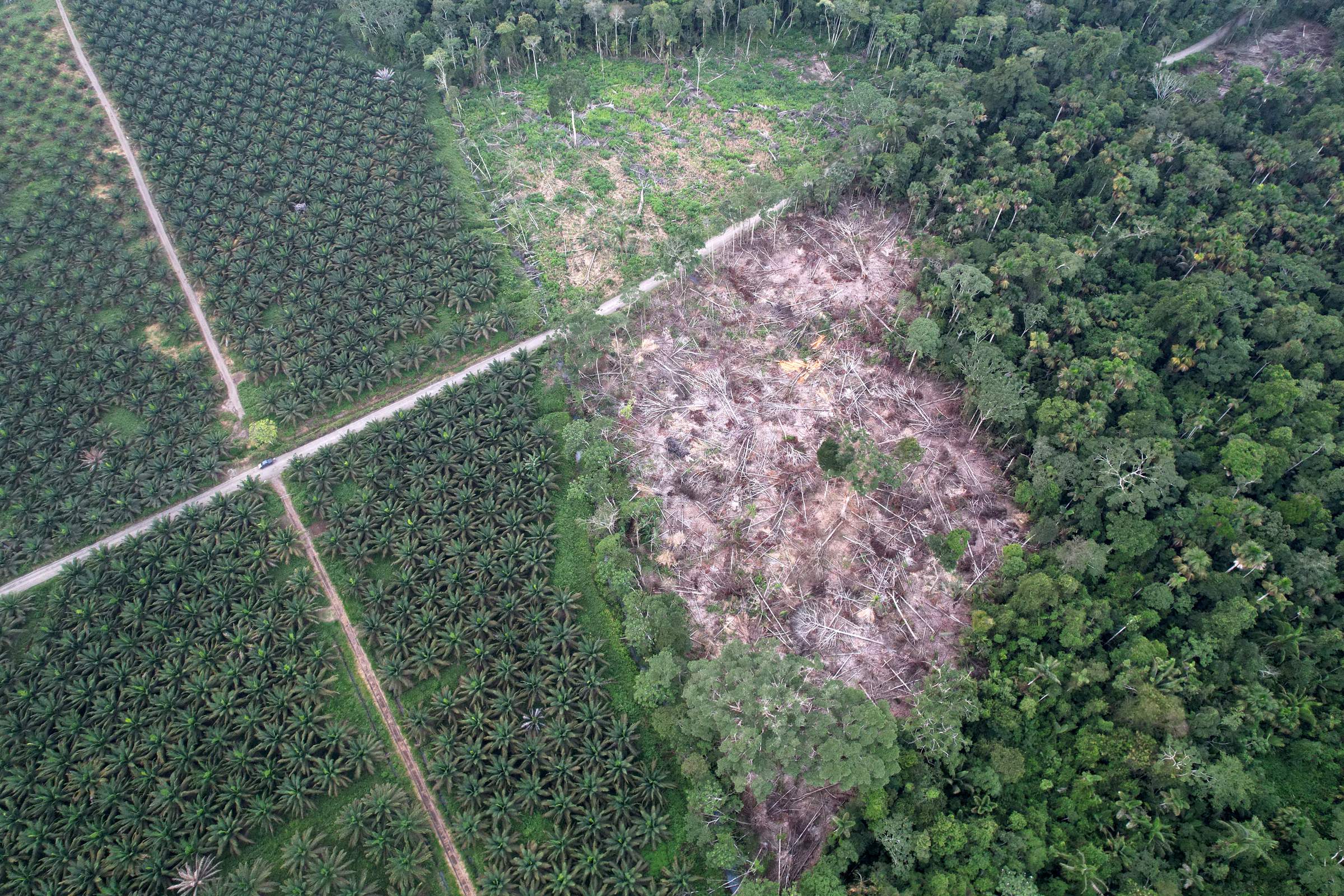
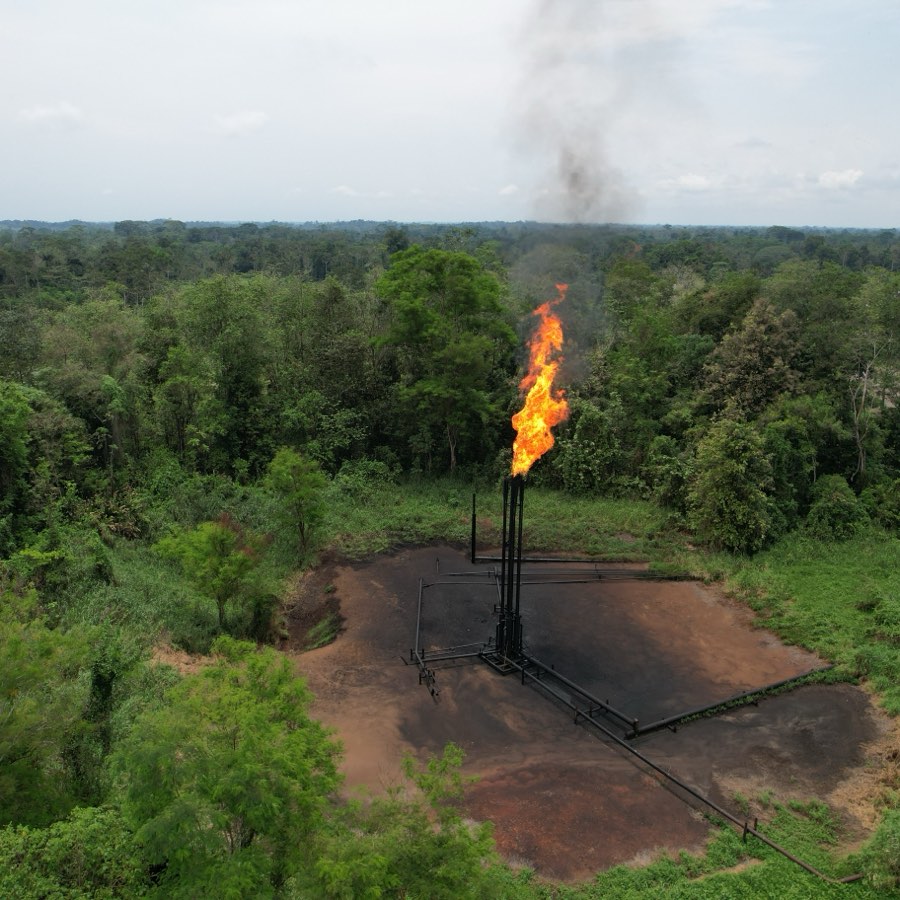
Development is never neutral. Roads, pipelines, hydroelectric dams, and agrarian frontiers remake landscapes, redistribute power, and redefine Natures with differential outcomes. Drawing from political ecology, legal geography, and critical development studies, we analyze multi-scalar processes where global commodity chains, state agendas, and local territorial struggles intersect.
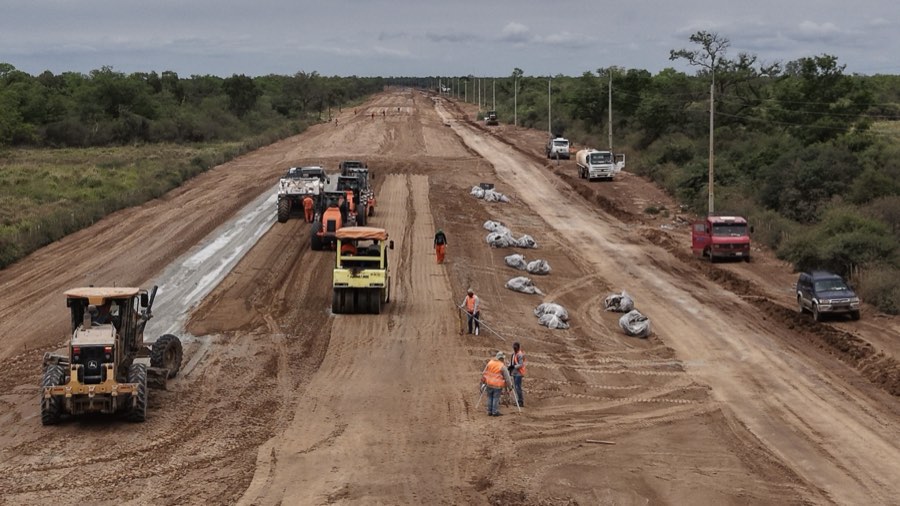
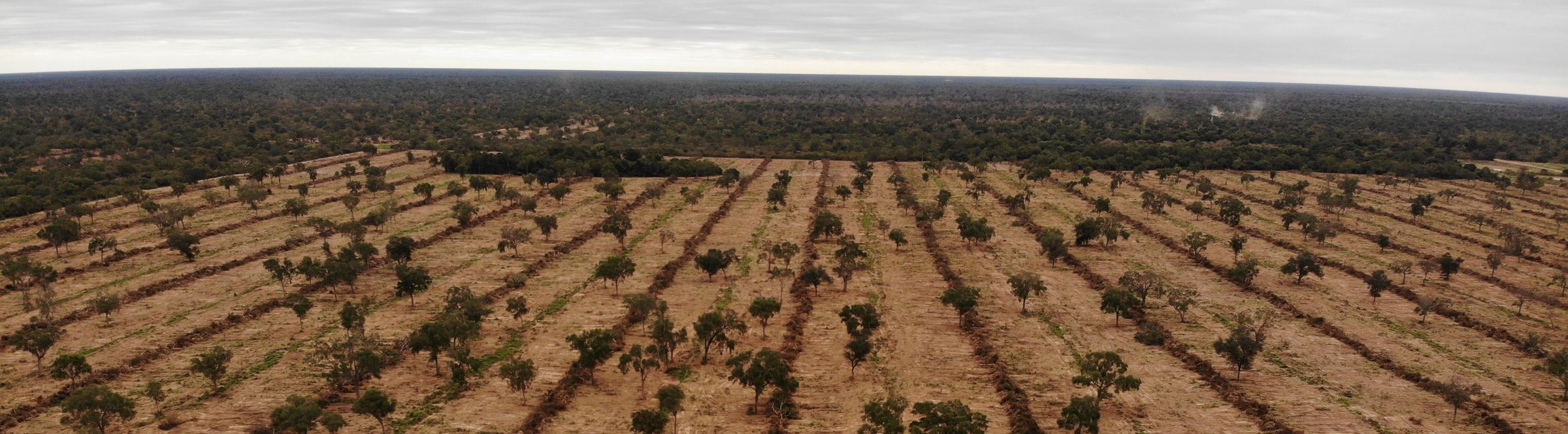
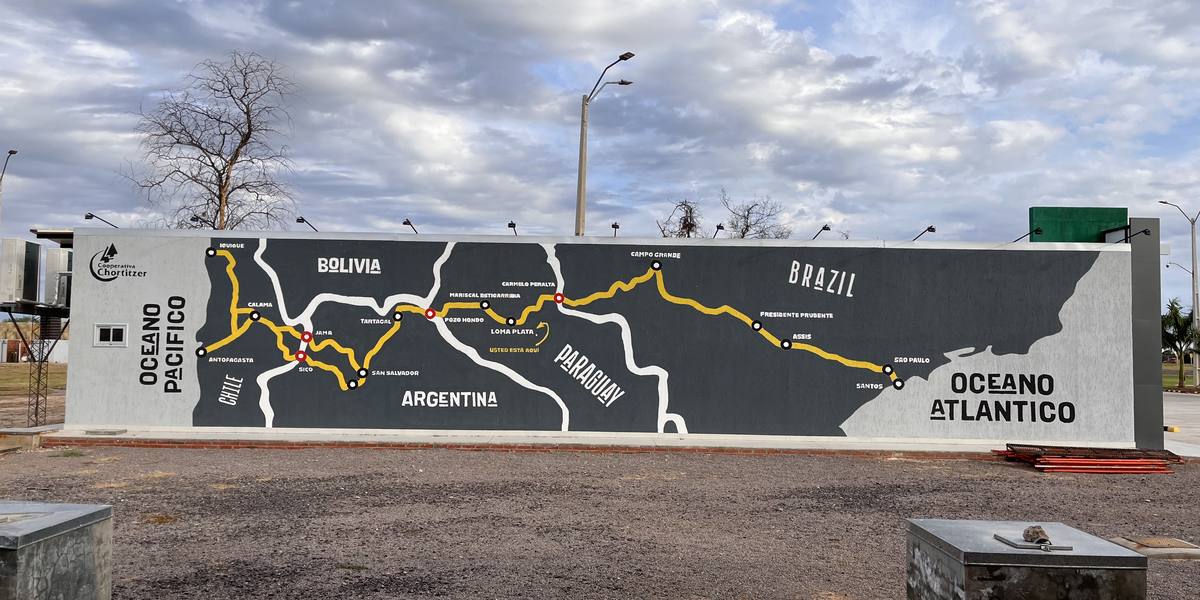
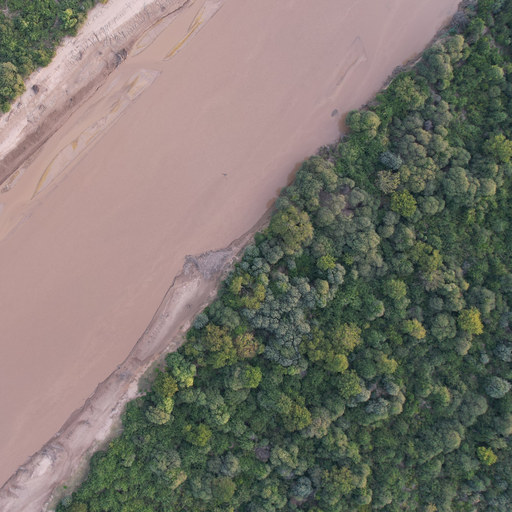
Our work investigates how large-scale development projects reshape territories, livelihoods, and political possibilities across Latin America’s forest frontiers. In the Gran Chaco, where the Bi-Oceanic Corridor highway cuts through one of the world’s most threatened dry forests, we examine how infrastructure transforms not only environments but the very terms on which communities can claim rights, resist displacement, and imagine alternatives.
4. Biocultural Conservation & Stewardship
Conservation has long been shaped by the idea that nature and culture are separate, that protecting biodiversity requires removing people from landscapes. Our work challenges this premise.
We investigate how Indigenous territorial stewardship and reciprocal relations with place and territory can reorient efforts to protect people and the planet. We consider how practices of territorial care can sustain biological and cultural diversity simultaneously. This research demonstrates that the most effective stewardship often comes not from external conservation interventions but from communities exercising self-determination over their ancestral territories. We work to make visible the forms of care, knowledge, and stewardship that sustain forests and the lives they support — and to understand the forces that threaten them.