About FRONTERAS.
What the name means, how the collective came together, and what we mean by calling it one.
Why Fronteras?
The meaning of fronteras
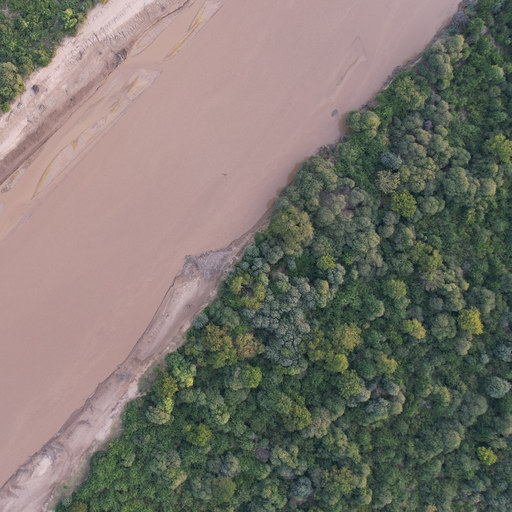
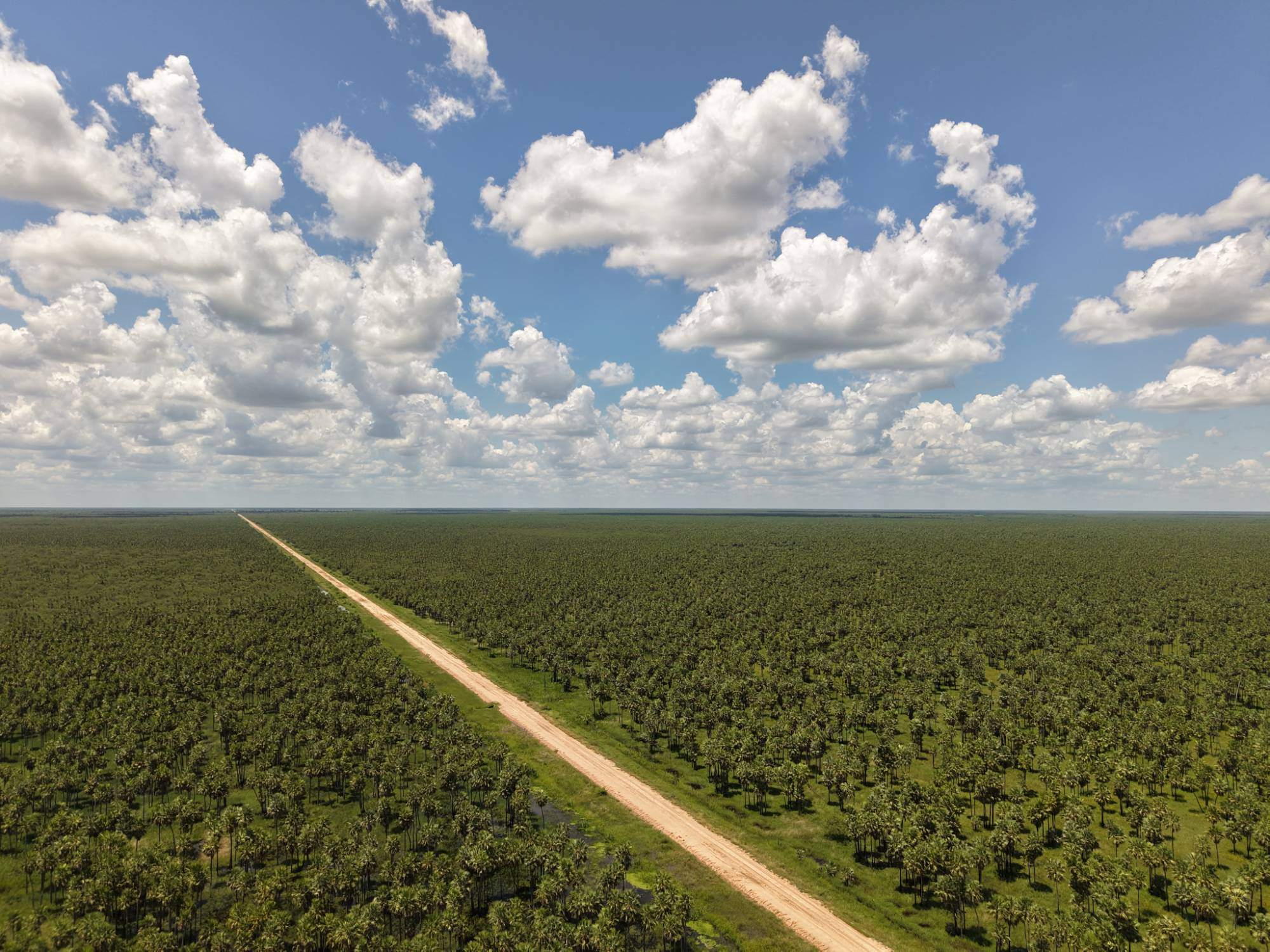
Fronteras is the Spanish word for frontiers and borders, and it speaks directly to where and how we work. The FRONTERAS Collective focuses on forest frontiers, including the Gran Chaco and the Amazon, where extractive industries, climate change, and expanding infrastructure shape the futures of social-ecological systems that many call home. Some of these frontiers run along international borders, as in the Paraguay–Brazil borderlands. They are not the periphery. They are the frontlines of some of the most urgent social-environmental struggles of our time, where environmental transformation, contested rights, and unequal power meet, and where communities organize to resist dispossession and defend their territories.
Fronteras also names boundaries that are less visible but no less consequential: between disciplines, between scholarship written in Spanish, Portuguese, and English, between academic and community knowledge, and between Western sciences and Indigenous ways of knowing. Our work is located at those edges. We treat boundaries, material and conceptual alike, as objects of study and as relations to work across—places where power is exercised and contested, and where other possibilities take shape—rather than as lines to be fixed or erased.
The FRONTERAS acronym
Each letter names a core research focus, a commitment, and an interest. Together, these concepts form a framework for our respective and collective work.
-
Forests
Forests are often the frontlines of development pressures, climate change action, and biocultural diversity conservation. Under myriad pressures, they become sites of friction where environmental change and diverse social values and visions of forests intersect with serious implications for current and future matters of climate and environmental justice.
-
Rights
Indigenous rights to land and territory. The ruptures between states and citizens that open when rights are denied. And the radical potential of rights for "nature."
-
pOlitical Ecologies
Critical approaches to studying knowledges, power, politics, and the uneven geographies of access to and control over "the environment" in support of more just futures.
-
Natures
Plural, relational, and contested. We move beyond the notion of a singular Nature in recognition that ontologies of nature are diverse and plural.
-
Transdisciplinarity
Working with and across diverse epistemologies, co-producing knowledge with partners inside and outside of academia in support of the public good.
-
Extractivism
The political economic processes reshaping frontier regions and the harmful dynamics of knowledge production that accompany them.
-
Relationality
Reciprocal obligations and connections across human and other-than-human worlds in method, theory, ethics, and conviviality.
-
Américas
Our intellectual and geographic home where we work with and from.
-
Stewardship
Care for people, places, and the planet for futures and the relations that sustain wellbeing.
How we came together
FRONTERAS did not begin as a laboratory. It grew from research relationships that predate any grant or institutional home. The longest of them runs through Paraguay, where Correia’s work with smallholder farm families began in 2006 via the Peace Corps. Since that time, he has worked continuously on matters of land rights, development, Indigenous rights and resistance, and environmental change. Since 2013, he has collaborated closely with Tierraviva a los Pueblos Indígenas del Chaco and with communities pursuing the return of their ancestral territories and pathways toward more just futures. Collaborations with Siona, Siekopai, and Cofán nations in the Ecuadorian Amazon followed, bringing geographers, ecologists, and Indigenous knowledge holders into shared inquiry. Other members of the Collective bring their respective relationships to our research, engagement, and partnerships.
At the University of Florida, a community of graduate researchers formed around these questions and carried them to Acre, Oaxaca, the Darién Gap, the Brazilian and Venezuelan Amazon, and the Andaman and Nicobar Islands. Following the move to Colorado State University in 2023, new students and collaborators expanded the collective’s geographic and intellectual reach while sustaining the relationships that had shaped its earlier work. The collective names what those relationships had already become.
Why a collective?
FRONTERAS is a community of graduate researchers, alumni, and collaborators whose work connects political ecology and biocultural conservation with climate and environmental justice. Based at Colorado State University and directed by Joel E. Correia, collective members work at different career stages, from master’s students to doctoral candidates and alumni.
Members contribute distinct disciplinary perspectives, geographic commitments, and relationships with the communities and organizations with whom we work. Not every member participates in every research effort. Instead, the collective creates opportunities for intellectual exchange, collaboration, and mutual support.
Indigenous nations and civil society organizations participate in specific projects as research partners, co-designers, and, where appropriate, co-authors. Their participation does not presume membership in a university research group. Recognizing these distinctions is part of our commitment to respecting partners’ autonomy, acknowledging different forms of intellectual contribution, and sustaining conditions for collaborative inquiry.