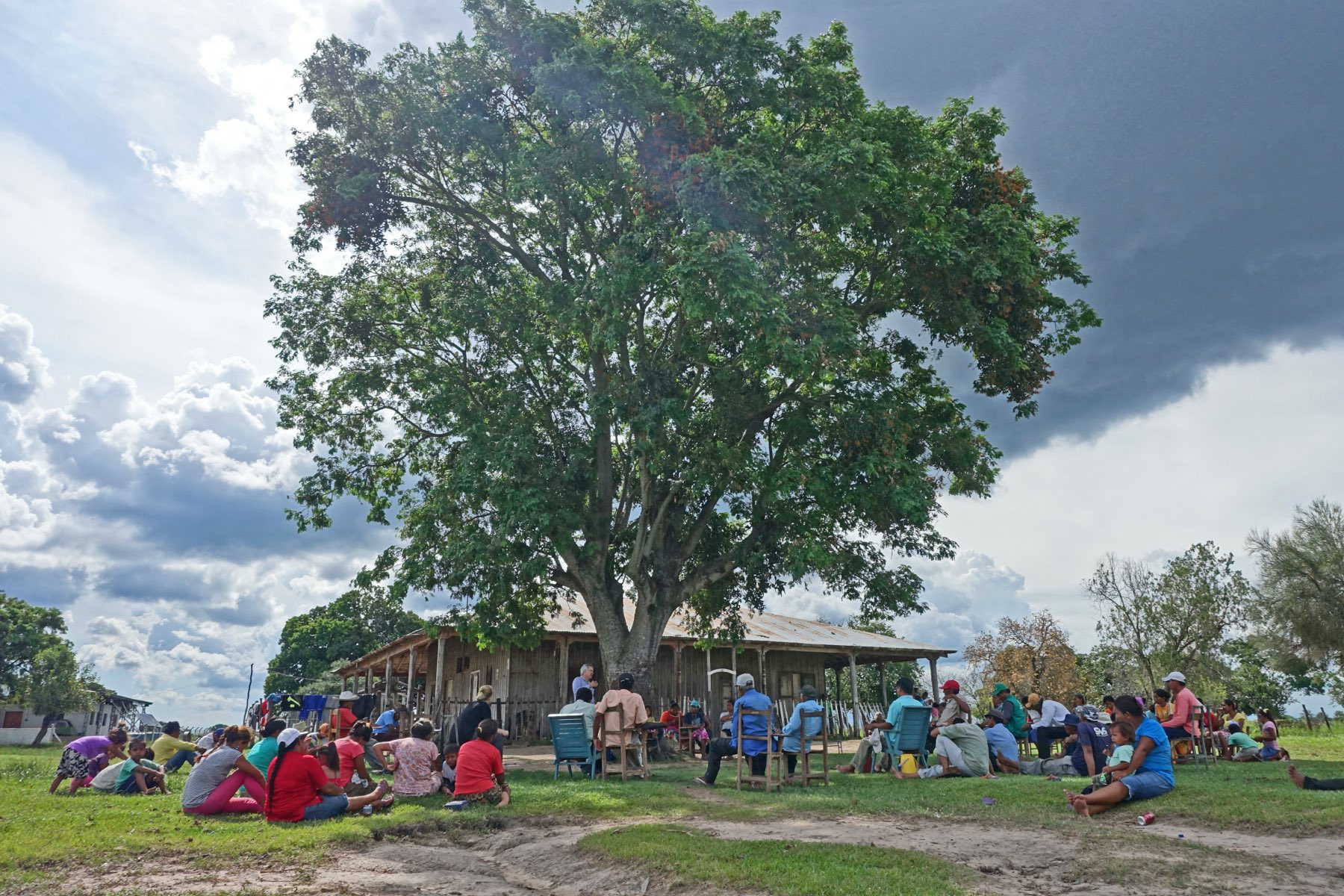
A large community assembly seated in the open beneath a spreading tree, with a low building behind and storm clouds overhead.
PEOPLE · PARTNERSHIPS · PRACTICE

The collective.

FRONTERAS is a research collective working across Latin America's threatened forest frontiers to understand and address urgent social-ecological challenges.

Our work moves across borders — between disciplines, institutions, communities, territories, and ways of knowing.

People

A growing collective.

The people of FRONTERAS are connected through shared questions, distinct forms of expertise, and a commitment to research that moves across knowledges, places, and practices.

Researchers and Collaborators

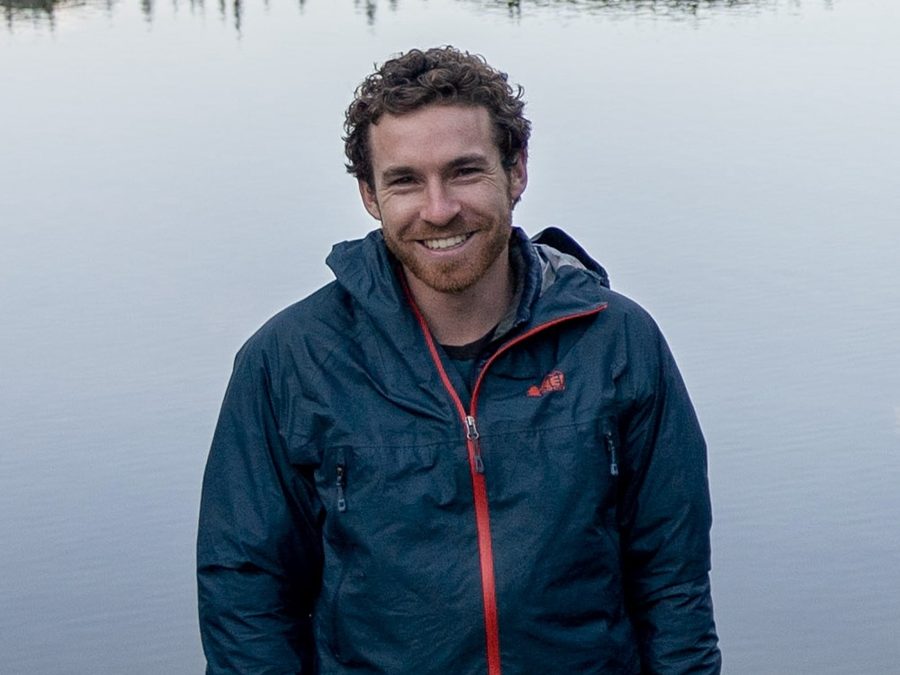
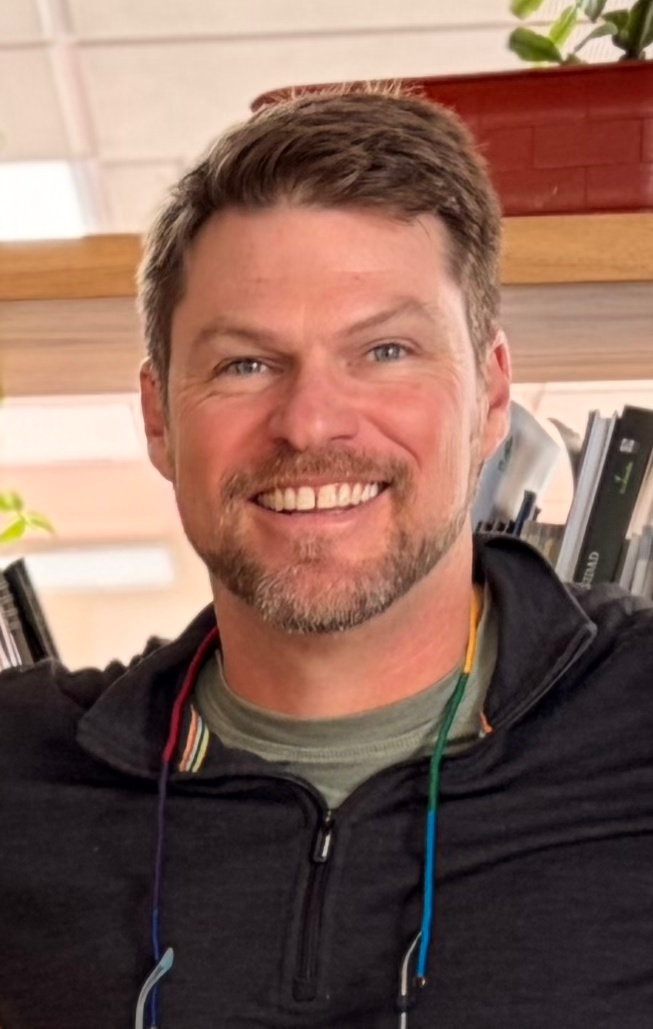
Portrait of Joel E. Correia

Joel E. Correia

Principal investigator · Director

The Paraguayan Chaco and the Ecuadorian Amazon — Indigenous land rights, the infrastructure–climate justice nexus, and biocultural approaches to conservation.
As a publicly engaged scholar, I strive to leverage research as a tool to inform academic and popular knowledge while supporting more just futures. I am a human-environment geographer trained at the crossroads of political ecology, development geographies, and critical social theory, and I transgress disciplinary boundaries through collaborative field-based studies, action research, and engaged teaching practice.

My work is inspired by the transformative power of collaborative action, learning across epistemologies, and the urgency of today's grand challenges: climate change, biodiversity loss, social inequality, and resurgent authoritarianism. I have been fortunate to work for more than twenty years alongside community partners in Latin America and East Africa.

Active research
  1. Indigenous stewardship and biocultural approaches to conservation in the Amazon, with a focus on Ecuador.
  2. Indigenous climate justice — climate-health impacts, climate finance justice, and facilitating adaptation.
  3. The nexus of infrastructure development, environmental change, and human rights, with a focus on the Paraguayan Chaco.
  4. Advancing critical transdisciplinary science for more just futures.

To date I have secured and managed more than $2.1 million in competitive grants and fellowships, including support from the National Science Foundation, the Gordon and Betty Moore Foundation Andes-Amazon Initiative, the American Council of Learned Societies, and Fulbright.

In January 2025, NSF's Human-Environment and Geographic Sciences Program and its Social, Behavioral, and Economic Sciences Directorate selected my CAREER proposal for funding — the agency's most prestigious award for early-career faculty. DOGE officers at NSF subsequently deemed work on climate change and Indigenous well-being misaligned with current political interests, and terminated the project.
Political ecologyClimate & environmental justiceIndigenous rightsTransdisciplinarityBiocultural conservationLand & territoryGran ChacoAmazon
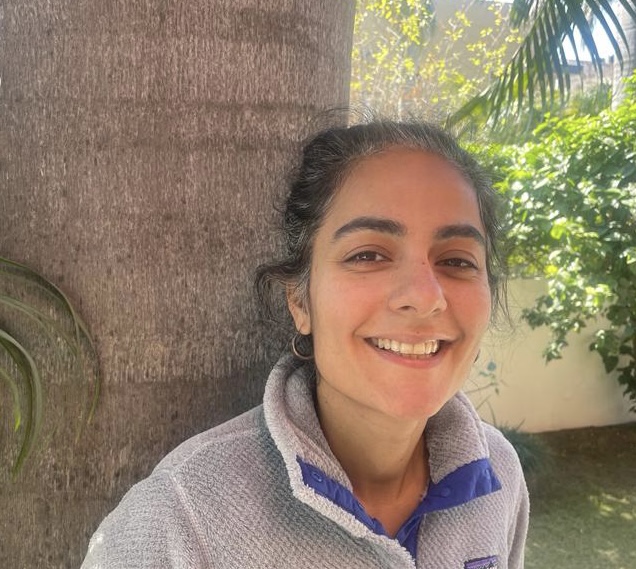
Portrait of Neha Kohli

PhD Candidate, Geography · University of Florida

Island geographies in the Andaman and Nicobar Islands — political geographies and ecologies of indigeneity, colonialism, and bureaucracy. Co-advised with Dr. Cynthia Simmons.
Portrait of Neha Kohli

Neha Kohli

PhD Candidate, Geography · University of Florida

Island geographies in the Andaman and Nicobar Islands — political geographies and ecologies of indigeneity, colonialism, and bureaucracy. Co-advised with Dr. Cynthia Simmons.

Interested in advancing critical engagements with island geographies that have implications for social and environmental justice, and de/anti colonial futures. Research in the Andaman and Nicobar Islands focused on the political geographies and ecologies of indigeneity and colonialism that advances our understanding of island geographies through archival, feminist, and ethnographic attention to governance, bureaucracy, and islander community dynamics. Recipient of fellowships from the University of Florida's Center of the Humanities and the Public Sphere and the American Institute of Indian Studies; and the Rauf Ali Fellowship based in India. Holds a master's degree in development studies. Earlier work supported research projects on post disaster recovery and public health and nutrition in India. Keywords: islands, colonialism, indigeneity, and bureaucracy.

Portrait of Silvia de Melo Futada

PhD Candidate, Interdisciplinary Ecology · University of Florida

Community-based conservation with Waimiri Atroari communities in the northern Brazilian Amazon — critical transdisciplinary science, communal resurgence and autonomies in the wake of genocide. Co-advised with Dr. Karen Kainer.
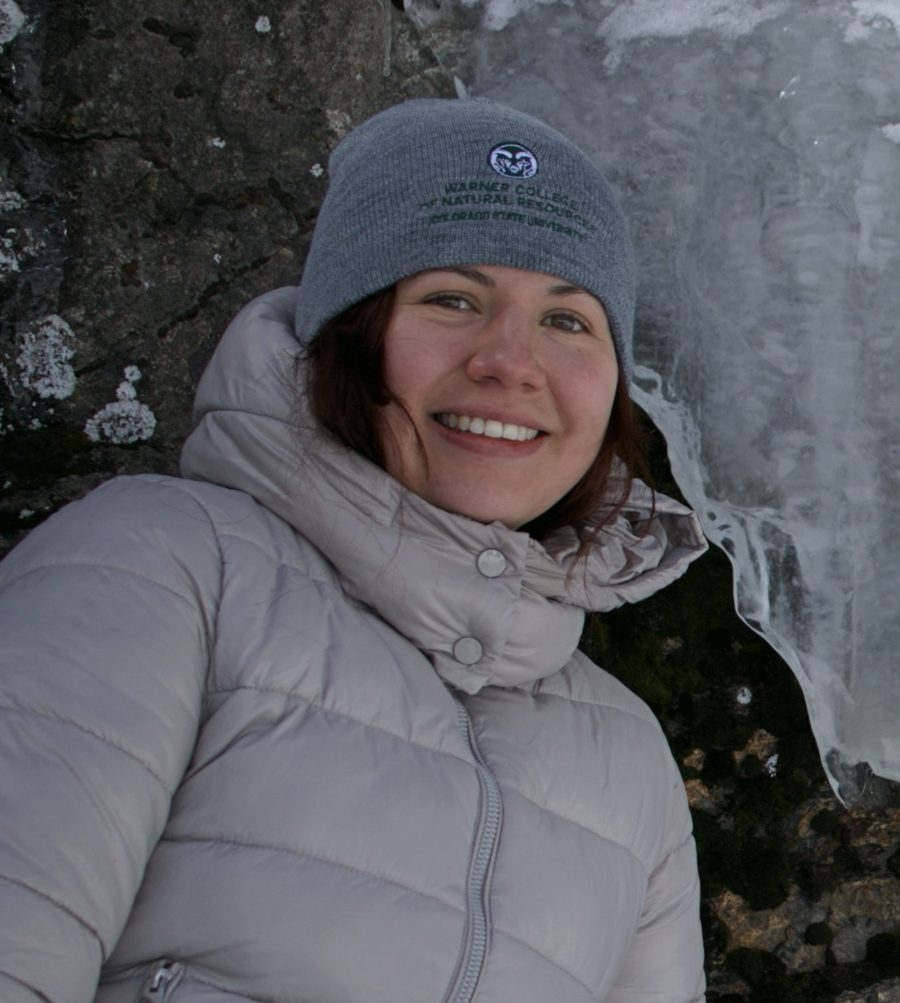
Portrait of Silvia de Melo Futada

Silvia de Melo Futada

PhD Candidate, Interdisciplinary Ecology · University of Florida

Community-based conservation with Waimiri Atroari communities in the northern Brazilian Amazon — critical transdisciplinary science, communal resurgence and autonomies in the wake of genocide. Co-advised with Dr. Karen Kainer.

Research with Waimiri Atroari Indigenous communities in the northern Brazilian Amazon focused on community-based conservation through critical transdisciplinary science and communal resurgence and autonomies in the wake of genocide.

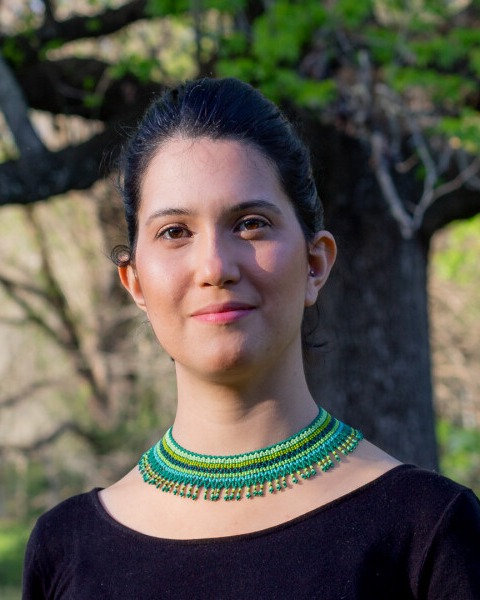
Portrait of Paula Cepeda Mahecha

PhD Candidate, HDNR · Colorado State University

Bahía Malaga, Colombia, with Afro-descendant women piangüa harvesters — cuerpo-territorio analysis of how mangroves and human well-being are interrelated, advancing a framework for critical nature-based solutions.
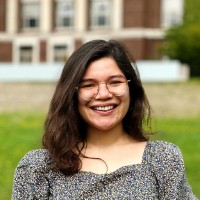
Portrait of Paula Cepeda Mahecha

Paula Cepeda Mahecha

PhD Candidate, HDNR · Colorado State University

Bahía Malaga, Colombia, with Afro-descendant women piangüa harvesters — cuerpo-territorio analysis of how mangroves and human well-being are interrelated, advancing a framework for critical nature-based solutions.

Research in Bahía Malaga, Colombia with Afro-descendant women piangüa (clam) harvesters focused on cuerpo-territorio analysis of how mangroves and human well-being are interrelated while advancing a framework for critical nature-based solutions.

Portrait of Sheyla Ríos Galeano

PhD Student, HDNR · Colorado State University

The Chaco-Pantanal interface in Paraguay — human geographies of fire use and management, bridging geospatial analysis with social science to advance integrated fire management. Co-advised with Dr. Michael Gavin.
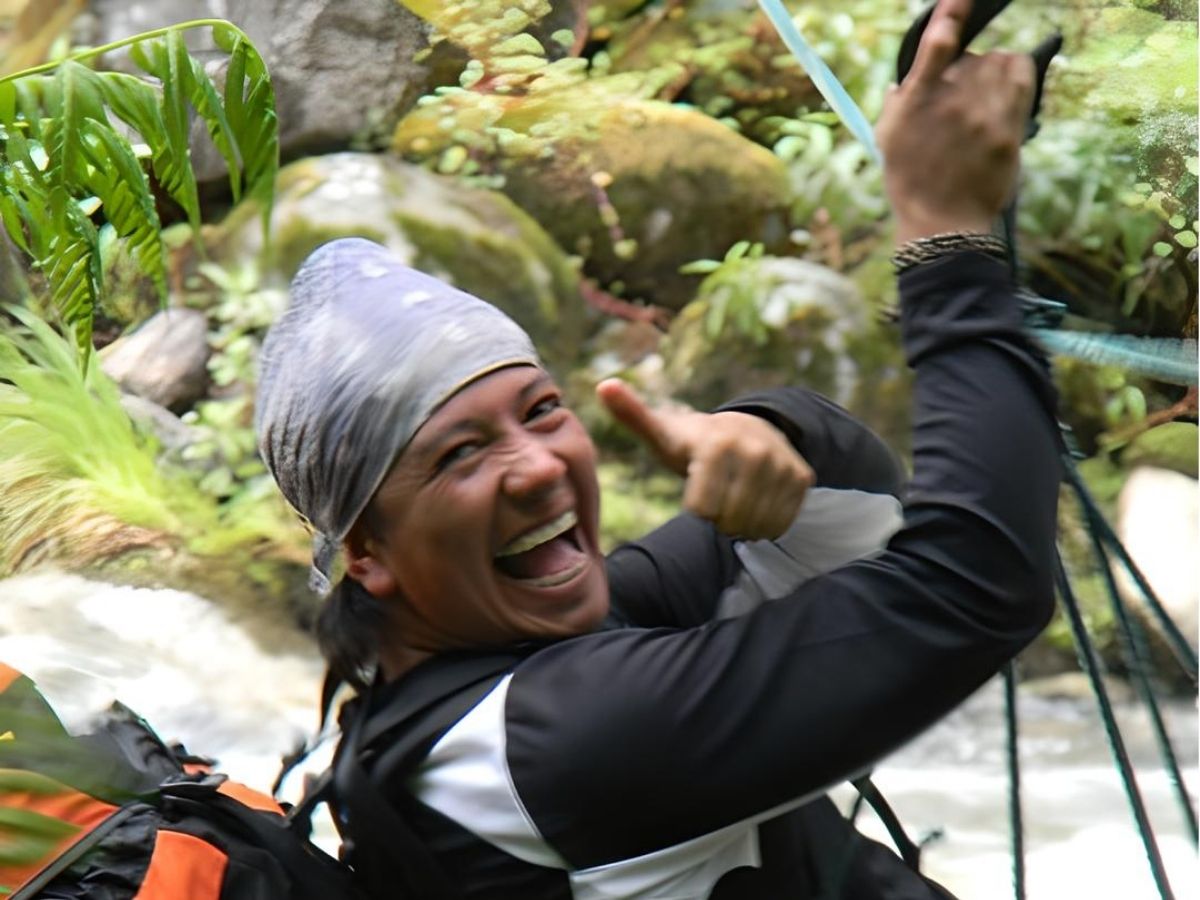
Portrait of Sheyla Ríos Galeano

Sheyla Ríos Galeano

PhD Student, HDNR · Colorado State University

The Chaco-Pantanal interface in Paraguay — human geographies of fire use and management, bridging geospatial analysis with social science to advance integrated fire management. Co-advised with Dr. Michael Gavin.

Research in Paraguay at the Chaco-Pantanal interface focused on assessing human geographies of fire use and management through mixed-methods research that bridges geospatial analysis with social science to advance integrated fire management.

Portrait of Carlos Urgilés Verdugo

PhD Student, HDNR · Colorado State University

The Ecuadorian Amazon with Siona and Siekopai communities — environmental governance and the conditions that shape territorial stewardship, toward community-based conservation planning.
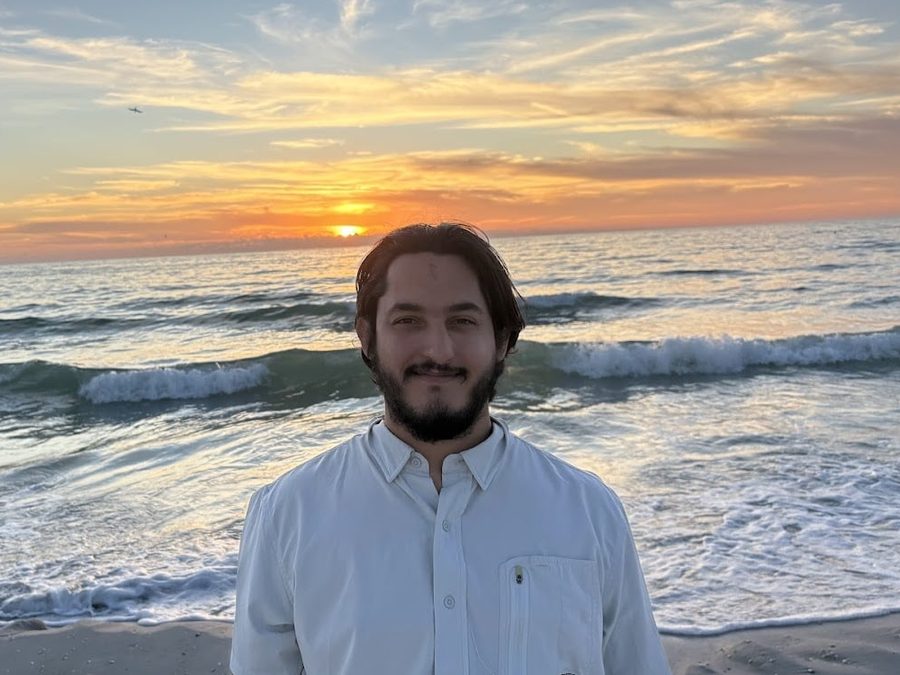
Portrait of Carlos Urgilés Verdugo

Carlos Urgilés Verdugo

PhD Student, HDNR · Colorado State University

The Ecuadorian Amazon with Siona and Siekopai communities — environmental governance and the conditions that shape territorial stewardship, toward community-based conservation planning.

Carlos Armando Urgilés Verdugo is a PhD student in the Human Dimension of Natural Resources at Colorado State University. His research examines the asymmetries in organizational agency between two Indigenous nationalities, the Siekopai and Siona, in the northern Ecuadorian Amazon. He contextualizes their historical separation to understand its drivers and its implications for contemporary governance from Indigenous perspectives. He also explores the governance mechanisms and practices emerging in each territory and evaluates ecological and social outcomes associated with these arrangements. In parallel, he analyzes how Indigenous and Western visions of governance are—or are not—articulated through management tools.

Analyzing these factors is particularly relevant given that the Amazon has become a contested region shaped by accelerating pressures from legal and illegal extractivism, infrastructure expansion, and land-use change. As a result, forest fragmentation and pollution intensify climate disruptions that threaten the biocultural diversity, well-being, and resilience of this biome. Drawing on social-ecological systems theory, governance mechanisms, political ecology, conservation biology, and transdisciplinary approaches, his research examines what governance means in Indigenous territories and how it can be articulates with Western governance frameworks through the co-creation of knowledge between Indigenous epistemologies and academic.

Alumni

Portrait of Laura Botero Arellano

MA Latin American Studies · University of Florida

Everyday life in an Indigenous community resisting the mining frontiers of the Venezuelan Amazon. Now a PhD student in Geography at UT Austin, working on how extraction reorganizes kinship, care, and place-based knowledge along the Venezuelan–Colombian Amazonian border. Co-advised with Dr. Rebecca Hanson.
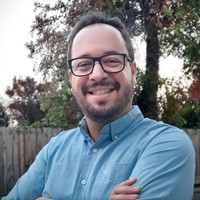
Portrait of Laura Botero Arellano

Laura Botero Arellano

MA Latin American Studies · University of Florida

Everyday life in an Indigenous community resisting the mining frontiers of the Venezuelan Amazon. Now a PhD student in Geography at UT Austin, working on how extraction reorganizes kinship, care, and place-based knowledge along the Venezuelan–Colombian Amazonian border. Co-advised with Dr. Rebecca Hanson.

Thesis: Finding spaces to heal: Exploring the everyday life experiences of an Indigenous community resisting the mining frontiers of the Venezuelan Amazon.

Laura is currently pursuing a PhD in geography at University of Texas Austin. Her research examines how emerging mining frontiers are reshaping Uwottüja Indigenous territories along the Venezuelan–Colombian Amazonian border. While these territories are often understood as protected through Indigenous governance and longstanding relations with the land, she explores how extractive pressures take hold from within. Moving beyond accounts that focus primarily on environmental impacts or territorial defense, her work foregrounds the relational and embodied dimensions of extraction.

Drawing on feminist political ecology and Indigenous geographies, she analyzes how mining reorganizes everyday life by transforming kinship relations, care practices, mobility patterns, and place-based systems of knowledge. She is particularly interested in how these shifts are entangled with the intensification of gendered and intimate forms of violence. By centering women's experiences, her research conceptualizes extractive frontiers as embodied processes, produced through the disruption and reconfiguration of social and territorial relations.

Portrait of Dr. Marcelo Santos Rocha da Silva

Dr. Marcelo Santos Rocha da Silva

MA Latin American Studies · University of Florida

The political ecology of a subnational jurisdictional REDD+ in Acre, Brazil. Our co-authored paper from this thesis won the Eric Wolf Prize. Now faculty at Modesto Community College.
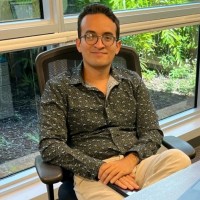
Portrait of Juan David Rojas

Juan David Rojas

MA Latin American Studies · University of Florida

Migration, crime, and the frontier in the Darién Gap. Now a political analyst and journalist contributing to several outlets on contemporary Latin America.

Britany Green

MA Latin American Studies · University of Florida

Analyzing indigeneity in Oaxacan social movements — the APPO and popular resistance.
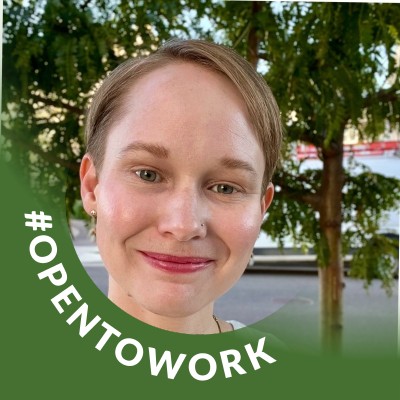
Portrait of Colleen Abel

Colleen Abel

MSc Sustainable Development Practice · University of Florida

Migrant empowerment and opportunities, as part of the Rural Livelihood Study in western Honduras. Co-advised with Dr. Rebecca Williams.

Students, researchers, & practitioners

Training the next generation of engaged researchers.

FRONTERAS supports students and emerging scholars in developing rigorous, ethical, and collaborative approaches to social-ecological research through field training, writing mentorship, collaborative projects, and public-facing work.

30+

students trained to date through research, writing, mentorship, fieldwork, and collaborative analysis.

10 committees as chair or co-chair

Students whose graduate committees Joel chairs or co-chairs, and those he chaired through to completion. Each of them also appears as a card above.

  • Neha Kohli PhD Candidate, Geography · University of Florida Co-chaired with Dr. Cynthia Simmons
  • Silvia de Melo Futada PhD Candidate, Interdisciplinary Ecology · University of Florida Co-chaired with Dr. Karen Kainer
  • Paula Cepeda Mahecha PhD Candidate, HDNR · Colorado State University
  • Sheyla Ríos Galeano PhD Student, HDNR · Colorado State University Co-chaired with Dr. Michael Gavin
  • Carlos Urgilés Verdugo PhD Student, HDNR · Colorado State University
  • Laura Botero Arellano MA Latin American Studies · University of Florida Co-chaired with Dr. Rebecca Hanson
  • Dr. Marcelo Santos Rocha da Silva MA Latin American Studies · University of Florida
  • Juan David Rojas MA Latin American Studies · University of Florida
  • Britany Green MA Latin American Studies · University of Florida
  • Colleen Abel MSc Sustainable Development Practice · University of Florida Co-chaired with Dr. Rebecca Williams

7 active graduate committees

Students whose graduate committees Joel currently serves on as a member, rather than as advisor, chair, or co-chair.

  • Emily Gross Human Dimensions of Natural Resources · Colorado State University PhD Candidate
  • Emilia Ravetta Sociology · Colorado State University PhD Candidate
  • Christina Welch Human Dimensions of Natural Resources · Colorado State University PhD Candidate
  • Griselda Landa-Posas Graduate Degree Program in Ecology · Colorado State University MS
  • Ana Lucía Araujo Raurau Geography · Clark University PhD Student · External member
  • Laura Botero Arellano Geography · University of Texas at Austin PhD Student · External member
  • Wania Cardoso Geography · University of Florida PhD Student · External member

14 completed graduate committees

Students whose graduate committees Joel served on as a member through to completion.

  • Dr. Tamara Layden Graduate Degree Program in Ecology · Colorado State University
  • Dr. Hannah Toombs Anthropology · University of Florida
  • Dr. Sinomar Ferreira da Fonseca Junior Interdisciplinary Ecology · University of Florida
  • Alyssa Mathews Graduate Degree Program in Ecology · Colorado State University
  • Carrie Martins Latin American Studies · University of Florida
  • Murielle LeMaire Latin American Studies · University of Florida
  • Wally Gallart Latin American Studies · University of Florida
  • Nashia Graneau Latin American Studies · University of Florida
  • Juliana Santiago Latin American Studies · University of Florida
  • Michael McKenna Latin American Studies · University of Florida
  • Jennifer Hiddink Latin American Studies · University of Florida
  • Florencia Otegui Latin American Studies · University of Florida
  • Dr. Paul Ruffner History · University of Arizona External member, served through comprehensive exams
  • Stephen Oliver Latin American Studies · University of Arizona External member
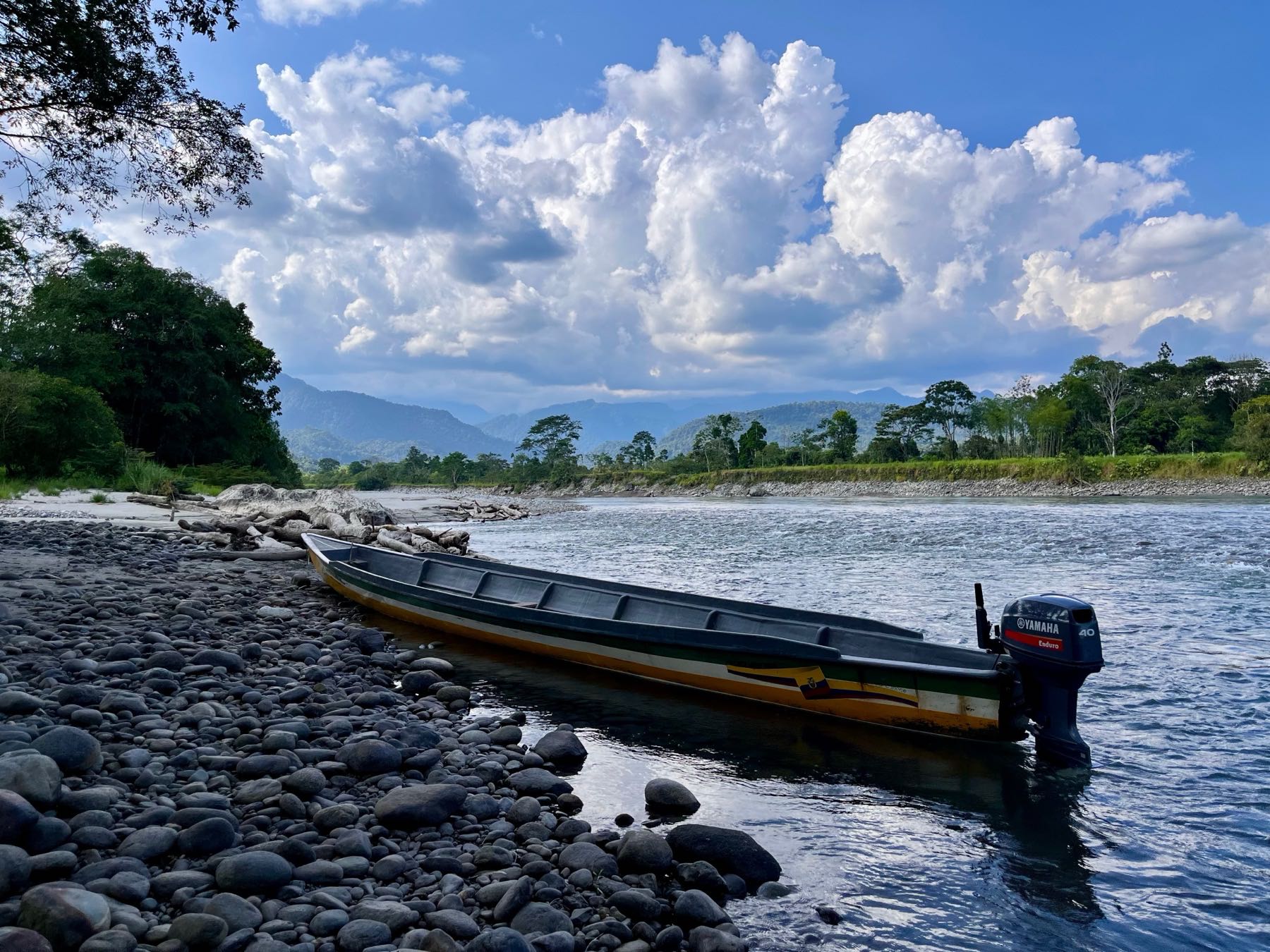
A motorised dugout canoe pulled up on a cobbled river bank, with forested banks and mountains beyond.

Research is stronger when it is built in relation.

Connect with FRONTERAS to discuss collaboration, student opportunities, public scholarship, or research partnerships across Latin America's forest frontiers.